

Select Tag #

Resisting Through Practice: Dry Toilets as a Pathway to Sustainability
24. February 2025 3195
Disclaimer: To read the article in Spanish click here.
The history of our struggles is intertwined with the management of our resources and the care of our land. In the face of the climate crisis, social inequalities and dependence on extractivist systems, it is time to look to our roots and adopt technologies that harmonize with nature. The implementation of dry toilets is not only a technical solution, but an act of cultural resistance and affirmation of sovereignty.

Documentary Review: "Holy Shit - Can Poop Save the World?"
10. February 2025 3647
“What a Shit Movie!” - When I say this most people would probably assume I didn’t like it, since the term “shit” is commonly understood to have a negative implication. This captures the essence of Holy Shit, which challenges us to reshape our understanding and our relationship to our own feces.

The Pioneering Writings of Al-Razi and Ibn Sina on Hygiene
6. January 2025 7006
The history of the advancements in sanitation and hygiene is often viewed through a Western lens, yet some of the most significant contributions came from the Middle East during the Islamic Golden Age. Two famous figures of this era, Al-Razi and Ibn Sina, made groundbreaking strides in the understanding and promotion of hygiene. Their works not only influenced their contemporaries but also laid foundational principles that influenced even our modern perception of health and hygiene.
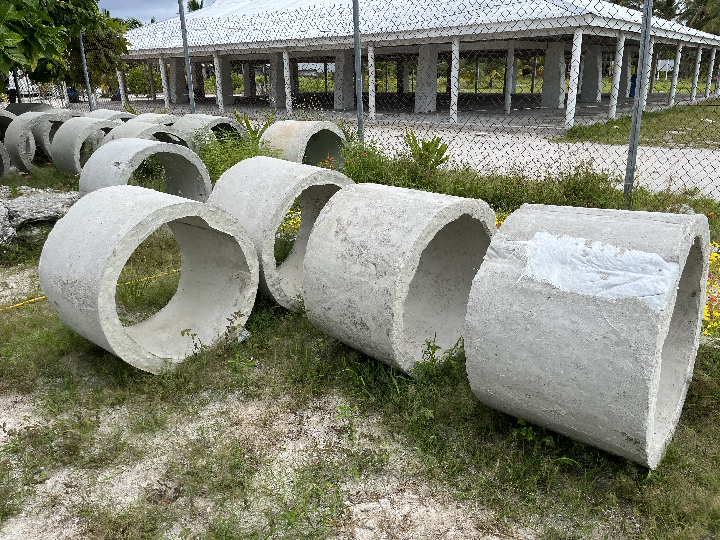
Can Kiritimati become a model circular economy society? Water and sanitation as potential entry points
7. May 2024 7325
Kiritimati Island is a unique place. Situated within the Line Islands group of the Republic of Kiribati, an island country spanning almost 3.5 million km2 of ocean, it isn’t easy to find on a map. The closest international airport (other than its own) is in Honolulu – more than 2,000 km away. The capital of its own country is even farther away. Despite being the largest coral atoll in the world, as of 2020 only 7,369 people live there.
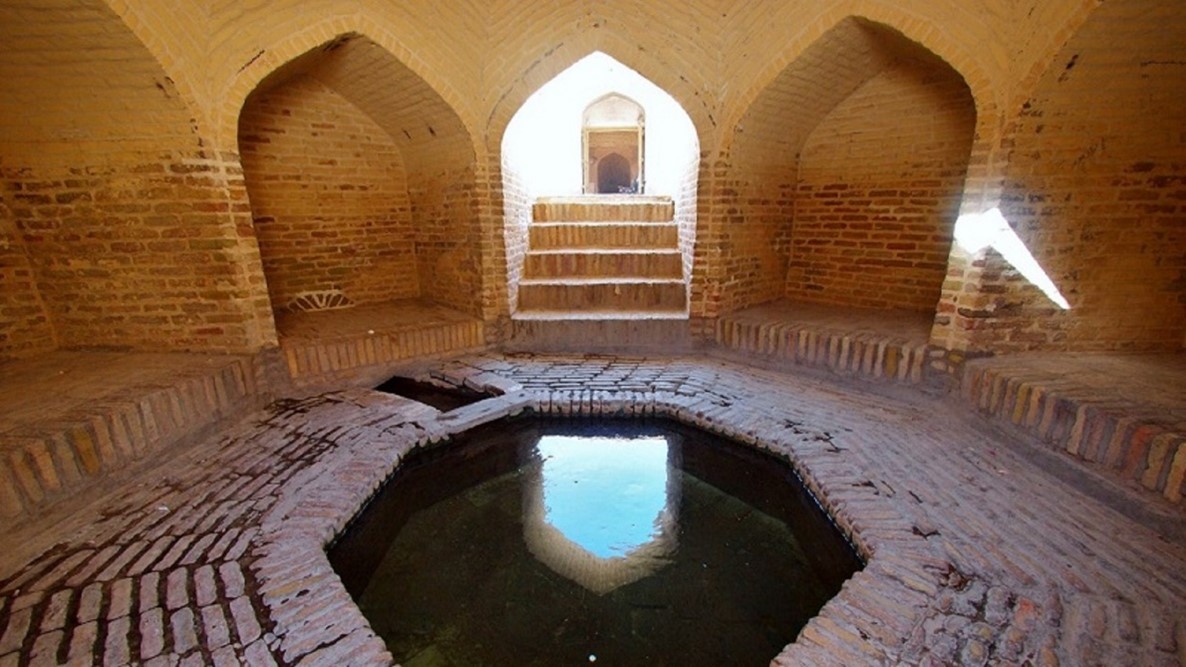
The Historical Water and Sewage System of Yazd: A Lesson in Sustainability and Ingenuity
7. September 2023 3871
Yazd, a city nestled in the heart of Iran's central desert, holds a unique historical treasure - its ingenious water and sewage system. Dating back centuries, this remarkable system not only provided clean water and efficient sewage management but also demonstrated the resourcefulness and forward-thinking of its inhabitants. In this blog post, we delve into the historical background of Yazd's water and sewage system, explore what makes it unique, and uncover the valuable lessons it offers us in today's world.
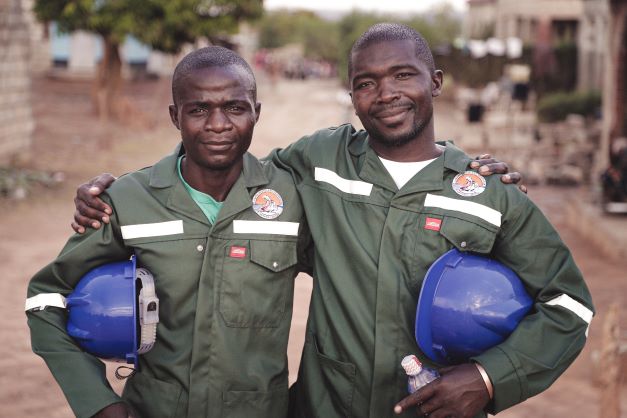
“Uncomfortable truths: How Shit Flow Diagrams expose the gaps in urban sanitation systems – and help to close them” (Teaser)
17. July 2023 1089
“Looking back, one can almost pinpoint the moment when the urban sanitation orthodoxy in Lusaka, Zambia began to falter. It involved a diagram, compact enough to fit on a single sheet of paper, featuring roughly a dozen red and green lines of varying thickness which snaked their way across the page.

Share your experience in an own blog article
Do you have valuable insights or a unique perspective on WASH? We welcome article submissions from experts, researchers, practitioners, and anyone passionate about the field.
Make an impact and reach our global audience by contributing your article. Whether it's an innovative project, best practices, or personal stories, we value diverse perspectives. Join us in advancing the conversation and driving positive change in sustainable sanitation.
To submit your article or learn more about the process, contact us at info@susana.org