

Select Tag #

Resisting Through Practice: Dry Toilets as a Pathway to Sustainability
24. February 2025 3198
Disclaimer: To read the article in Spanish click here.
The history of our struggles is intertwined with the management of our resources and the care of our land. In the face of the climate crisis, social inequalities and dependence on extractivist systems, it is time to look to our roots and adopt technologies that harmonize with nature. The implementation of dry toilets is not only a technical solution, but an act of cultural resistance and affirmation of sovereignty.

The Pioneering Writings of Al-Razi and Ibn Sina on Hygiene
6. January 2025 7044
The history of the advancements in sanitation and hygiene is often viewed through a Western lens, yet some of the most significant contributions came from the Middle East during the Islamic Golden Age. Two famous figures of this era, Al-Razi and Ibn Sina, made groundbreaking strides in the understanding and promotion of hygiene. Their works not only influenced their contemporaries but also laid foundational principles that influenced even our modern perception of health and hygiene.
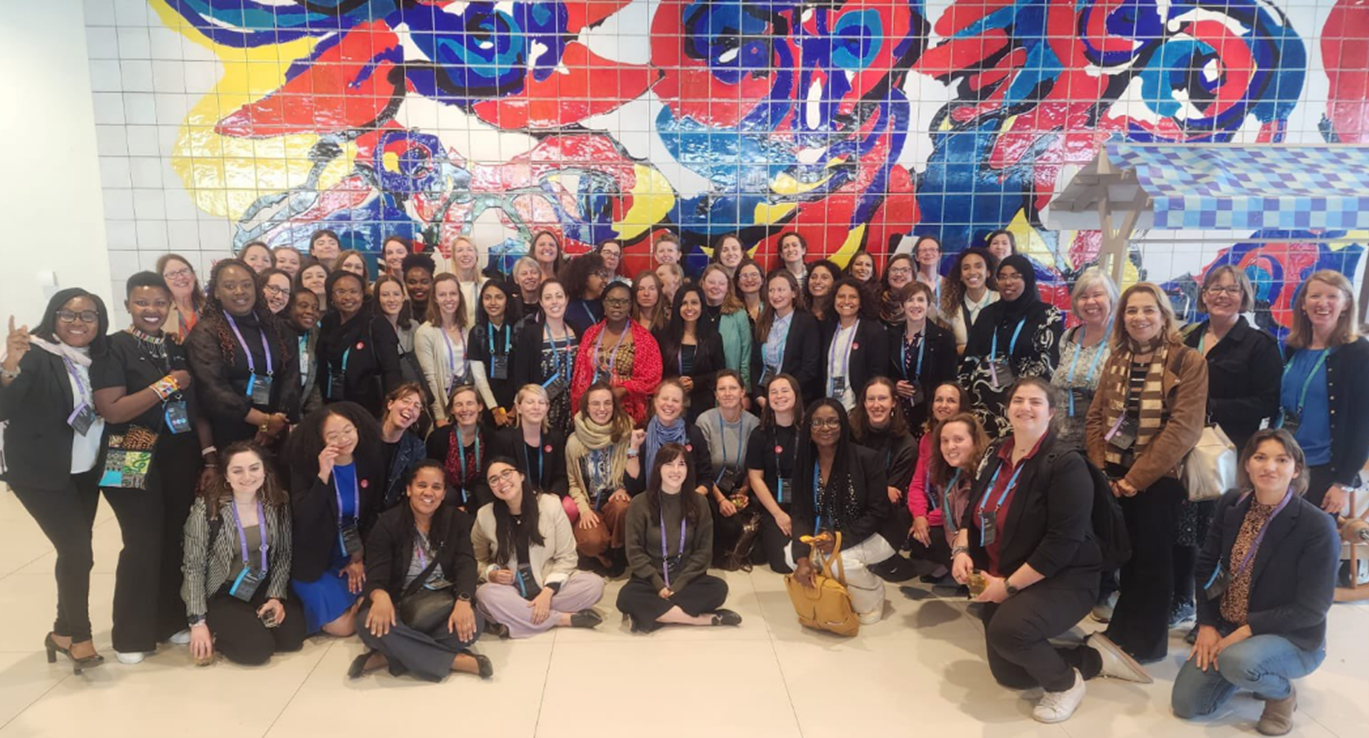
Stronger Together - Connecting Female Water- and Sanitation Professionals and strengthening Women’s Networks in the Water and Sanitation Sector
18. September 2023 1536
Why do women’s networks matter for the achievement of SDG 6? A lot, and this is why: Achieving SDG 6 by 2030 is becoming increasingly unlikely, it would need a quadrupling of current rates of progress in safely managed drinking water services, safely managed sanitation services and basic hygiene services for hitting the finish line. The water and sanitation sector is facing many challenges, one is the massive capacity gap and gender gap in the water and sanitation workforce.

Share your experience in an own blog article
Do you have valuable insights or a unique perspective on WASH? We welcome article submissions from experts, researchers, practitioners, and anyone passionate about the field.
Make an impact and reach our global audience by contributing your article. Whether it's an innovative project, best practices, or personal stories, we value diverse perspectives. Join us in advancing the conversation and driving positive change in sustainable sanitation.
To submit your article or learn more about the process, contact us at info@susana.org